
Toilet Repair · Salem, OR
Toilet Repair in Salem, OR
A toilet that runs all night, rocks when you sit down or leaves water on the floor is more than an annoyance — it wastes water and can quietly rot the subfloor. Get a local plumber to fix it properly, or replace it when repair no longer makes sense.
- Running & phantom-flushing toilets
- Leaks at the base or tank
- Wobbly toilets & wax ring reseals
- Replacement with efficient models
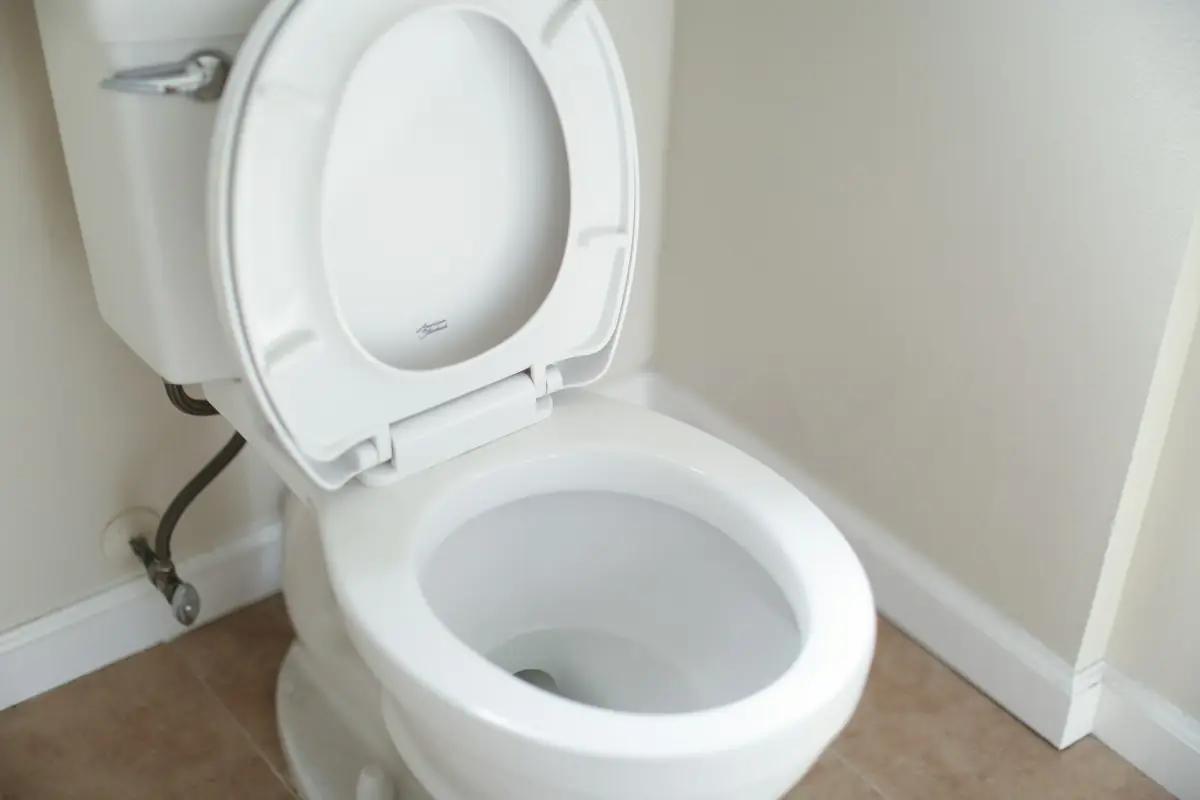
Toilet repair for Salem homes and rentals
The toilet is the simplest fixture in the house and also one of the most used. Every flush relies on a handful of parts — a flapper, a fill valve, a flush valve, a seal at the floor — and when any of them wears out, the result is wasted water, a messy floor or a toilet that won’t do its job. Most problems are inexpensive to fix once someone figures out which part has failed.
For landlords and property managers, toilets are also one of the most common tenant calls. A running toilet in a rental can waste a surprising amount of water before anyone reports it, and a slow seal leak can damage the floor long before it’s visible.
Common toilet problems and what causes them
Runs constantly
Usually a flapper that isn’t sealing, a chain that’s too short, or a fill valve set too high so water spills into the overflow tube.
Phantom flushes
The tank refills briefly on its own. Water is slowly leaking into the bowl, most often past a worn flapper.
Weak or incomplete flush
Low tank water level, mineral buildup in the rim holes, a partial clog in the trapway, or a vent problem in the drain line.
Rocks or wobbles
Loose closet bolts, an uneven floor, or a damaged flange. Left alone, movement breaks the wax seal.
Water on the floor
A failed wax ring, leaking tank bolts, a worn supply line, a cracked tank or simple condensation.
Slow to refill or noisy
A worn or debris-clogged fill valve, or a partially closed shutoff valve behind the toilet.
Things you can safely check yourself
Before calling, a few quick checks can tell you a lot — and help the plumber come prepared with the right parts:
- Lift the tank lid and watch a flush. Does the flapper close fully? Is the chain catching or too tight?
- Look at the water level. It should sit about an inch below the top of the overflow tube.
- Do the food coloring test: a few drops in the tank, wait 15 minutes, check the bowl.
- Find the shutoff valve behind the toilet and make sure it turns. Old valves often seize and may need replacing too.
- Press gently on the bowl from side to side. Any movement means the seal is at risk.
Overflowing right now? Lift the tank lid and push the flapper down to stop more water entering the bowl, then turn the shutoff valve behind the toilet clockwise. Don’t flush again until the clog is cleared.
When to call a plumber
Swapping a flapper is a reasonable DIY job. Call a professional when:
- Water is seeping from under the base, or the floor around the toilet feels soft or looks stained.
- The toilet needs to be pulled and reset, or the flange underneath is cracked or corroded.
- The shutoff valve won’t close or is leaking.
- You’ve replaced the flapper and it still runs.
- Flushing makes other drains gurgle or back up — a sign the problem is in the drain line, not the toilet. Our drain cleaning page covers main line clogs.
What toilet repair usually involves
- DiagnosisThe plumber checks the tank parts, supply line, shutoff valve and base, and confirms whether the problem is the toilet itself or the drain.
- Repairing tank componentsWorn flappers, fill valves, flush valves and tank-to-bowl gaskets are replaced with parts matched to your toilet’s make and size.
- Pulling and resetting when neededFor base leaks or rocking, the toilet is removed, the flange is inspected and repaired if damaged, and the toilet is reset on a new seal with secure bolts.
- Checking for hidden damageWith the toilet off the floor, the plumber can see whether water has reached the subfloor and let you know if it needs attention.
- TestingSeveral flushes confirm a full, clean flush, proper refill and no leaks at the tank or base.
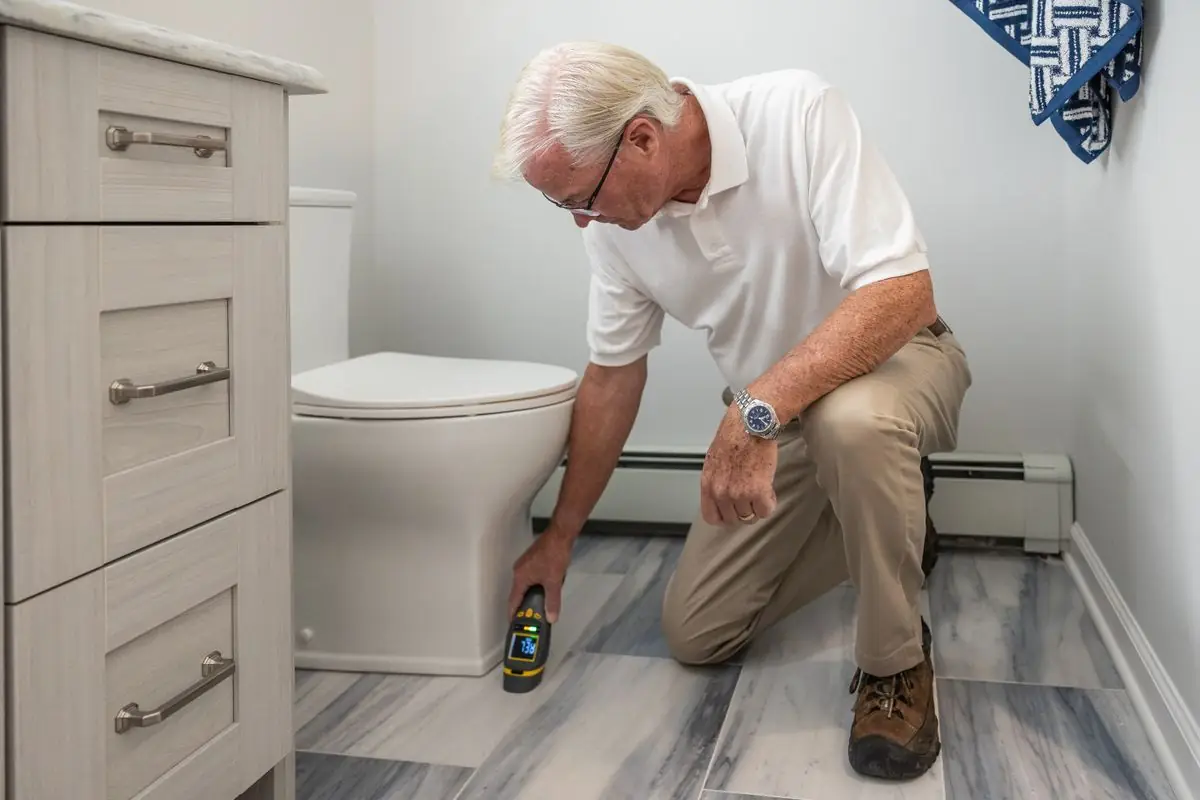
Replacing a toilet: what to consider
If your toilet is cracked, clogs regularly because of a dated design, or simply uses a lot of water per flush, replacement can be the better long-term choice. A few things to think about:
- Water use. Federal rules have limited new toilets to 1.6 gallons per flush since the 1990s, and many current models use less. EPA WaterSense-labeled toilets are independently certified to use 1.28 gallons per flush or less while meeting flushing performance standards.
- Rough-in size. The distance from the wall to the drain — commonly 12 inches, but older homes sometimes have 10 or 14 — determines which models will fit.
- Height and shape. Comfort-height toilets and elongated bowls are popular, especially for older adults, but take up more space in small bathrooms.
- Utility programs. Some water utilities periodically offer rebates or programs for efficient fixtures; it’s worth checking with your provider before you buy.
Older Salem homes with original cast iron drains sometimes have corroded flanges hidden under the toilet. If that’s the case, it should be repaired when the new toilet goes in, not left for later.
Toilet issues in older Salem homes
Many of Salem’s established neighborhoods have homes with original bathrooms or partial remodels done decades apart. That combination can create problems that aren’t obvious from the toilet itself: a new toilet set on an old, out-of-level floor, a flange that sits too low after new tile was added, or a shutoff valve that hasn’t been turned since it was installed. When a plumber pulls a toilet in an older home, they should check the flange height, the condition of the drain opening and the floor around it, and tell you what they find before resetting anything.
In basements and lower-level bathrooms, a toilet that gurgles or bubbles when the washing machine drains is also worth mentioning when you call. It often points to a venting or main line issue rather than a problem with the toilet.
Why it pays to fix toilet problems early
A running toilet can quietly waste a lot of water every day, which shows up on your bill. A slow seal leak is worse: water soaks into the subfloor around the flange, and by the time the floor feels soft, the repair may involve flooring and framing rather than a new wax ring. For more on spotting small problems before they get expensive, read common plumbing problems Salem homeowners should watch for.
Not sure if this needs a plumber?
Describe what you’re seeing and get a straight answer.
That’s called a phantom flush. Water is slowly leaking from the tank into the bowl — usually past a worn or warped flapper — until the level drops enough for the fill valve to kick on. Put a few drops of food coloring in the tank and wait 15 minutes without flushing. If color shows up in the bowl, the flapper or flush valve seal is leaking.
It can be. A toilet that moves can break the wax ring seal underneath, letting water and waste seep into the subfloor every time it’s flushed. Tightening the bolts sometimes helps, but over-tightening can crack the porcelain. If it keeps rocking or you see staining around the base, have it pulled and reset with a new seal.
It could be a failed wax ring, a crack in the bowl, condensation sweating off the tank in humid weather, or a leak from the supply line or tank bolts dripping down. Dry everything off and check where the water appears first. If it seeps from under the base after flushing, the seal is the likely cause.
If only the toilet clogs and other drains work fine, the problem is often in the toilet itself — a partial obstruction in the trapway or an older low-flow design with a weak flush. If the tub or shower gurgles or backs up when you flush, the blockage is probably further down in the main line.
Inside-the-tank parts are inexpensive and repairs are usually worth it. Replacement makes more sense if the porcelain is cracked, the toilet clogs regularly because of its design, parts are hard to find, or you want to cut water use. Ask the plumber to compare both options before deciding.
Related services
Other plumbing help in Salem
Drain Cleaning
Slow sinks, clogged tubs and backed-up main lines cleared with the right tool for the blockage.
Learn more about drain cleaningLeak Detection
Finding hidden leaks behind walls, under floors and in slabs before they turn into rot or mold.
Learn more about leak detectionFaucet Repair
Dripping, loose or low-pressure kitchen, bath and outdoor faucets repaired or replaced.
Learn more about faucet repairHave a plumbing problem in Salem, OR?
Tell us what's going on. We'll connect you with a local plumber who can explain the problem, your options and the cost before any work begins.