
Drain Cleaning · Salem, OR
Drain Cleaning in Salem, OR
A slow drain is a warning; a backed-up one is a problem. Get a local plumber to clear clogged sinks, tubs, toilets and main sewer lines — and find out why it clogged so it doesn’t keep happening.
- Kitchen, bath & laundry drains
- Main line & cleanout clogs
- Cabling and hydro jetting
- Camera inspection if it keeps coming back
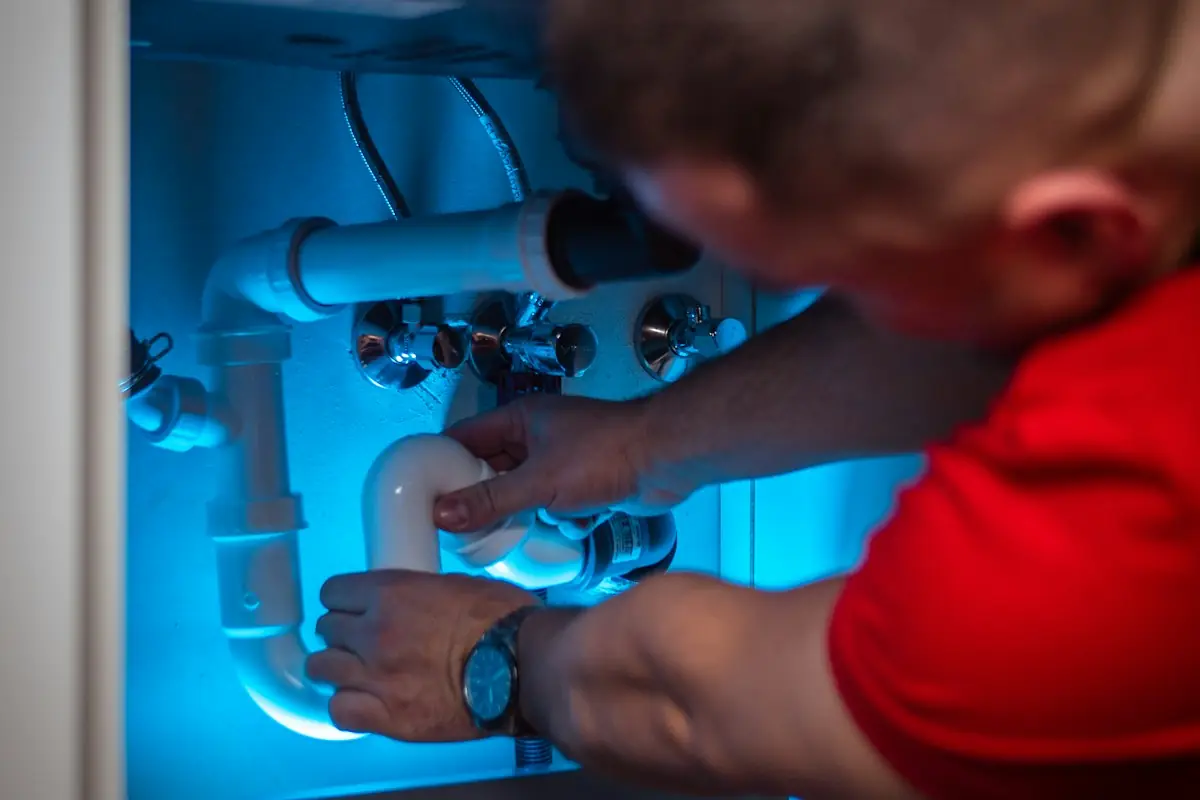
Drain cleaning for Salem homes and rentals
Every house in Salem has the same basic drain system: branch lines from each sink, tub and toilet flow into a main drain, which leaves the house as a sewer lateral and connects to the city sewer. Clogs can form anywhere along that path, and the right fix depends on where the blockage is and what it’s made of.
A clog in a bathroom sink is usually hair and soap. A kitchen line builds up with grease and food scraps. A main line backup may be paper products, roots that have worked into an old clay joint, or a section of pipe that has sagged and holds waste. Professional drain cleaning means identifying which of these you’re dealing with, clearing it, and telling you honestly whether it’s likely to come back.
Signs you have a drain problem
Slow-draining sinks or tubs
Water that pools for minutes after you turn off the tap usually means a partial blockage that will eventually close completely.
Gurgling sounds
Bubbling from a drain or toilet when another fixture runs suggests air is being pushed past a restriction — often further down the line.
Multiple fixtures backing up
If the tub fills when the toilet flushes, or the laundry backs up into a floor drain, the main line is the likely culprit.
Sewer odor
A persistent smell from drains can come from trapped waste, a dry trap, or a damaged line letting sewer gas escape.
Water around the cleanout
Water or waste seeping from the outdoor cleanout cap during heavy use is a clear sign of a main line blockage.
Clogs that keep returning
Clearing the same drain every few months points to a structural issue — roots, a belly in the line, or pipe damage.
When to call a plumber instead of DIY
A plunger and a basic hand auger are reasonable first steps for a single slow sink or tub. It’s time to call a professional when:
- More than one drain is slow or backing up at the same time.
- You’ve plunged and snaked and the drain is still slow.
- Sewage or dirty water is coming up into a tub, shower or floor drain.
- The clog keeps coming back, even after it’s been cleared.
- You’ve already poured chemical drain cleaner in and the drain is still full — tell the plumber, because those chemicals are hazardous to work around.
If sewage is backing up: stop running water anywhere in the house — no flushing, laundry or dishwasher — until the line is cleared. Every gallon you use has to go somewhere, and the lowest drain is where it ends up.
What drain cleaning usually involves
- Questions and a quick assessmentWhich drains are affected, how long it’s been happening, and what’s been tried already. This narrows down whether it’s a branch line or the main.
- Finding the right access pointThe plumber works through the fixture, a trap, or a cleanout. Many Salem homes have an outdoor cleanout near the foundation; older homes sometimes don’t, which can affect the approach.
- Clearing the blockageA cable machine sized to the pipe cuts through the clog. For heavy grease or root buildup, hydro jetting may be recommended if the pipe is in good enough shape for it.
- Testing the flowRunning water through the affected fixtures confirms the line is open and draining at full speed.
- Camera inspection when warrantedFor repeat or main line clogs, a camera shows roots, cracks, offsets or sags. You see the footage and get an honest read on whether a repair is needed.
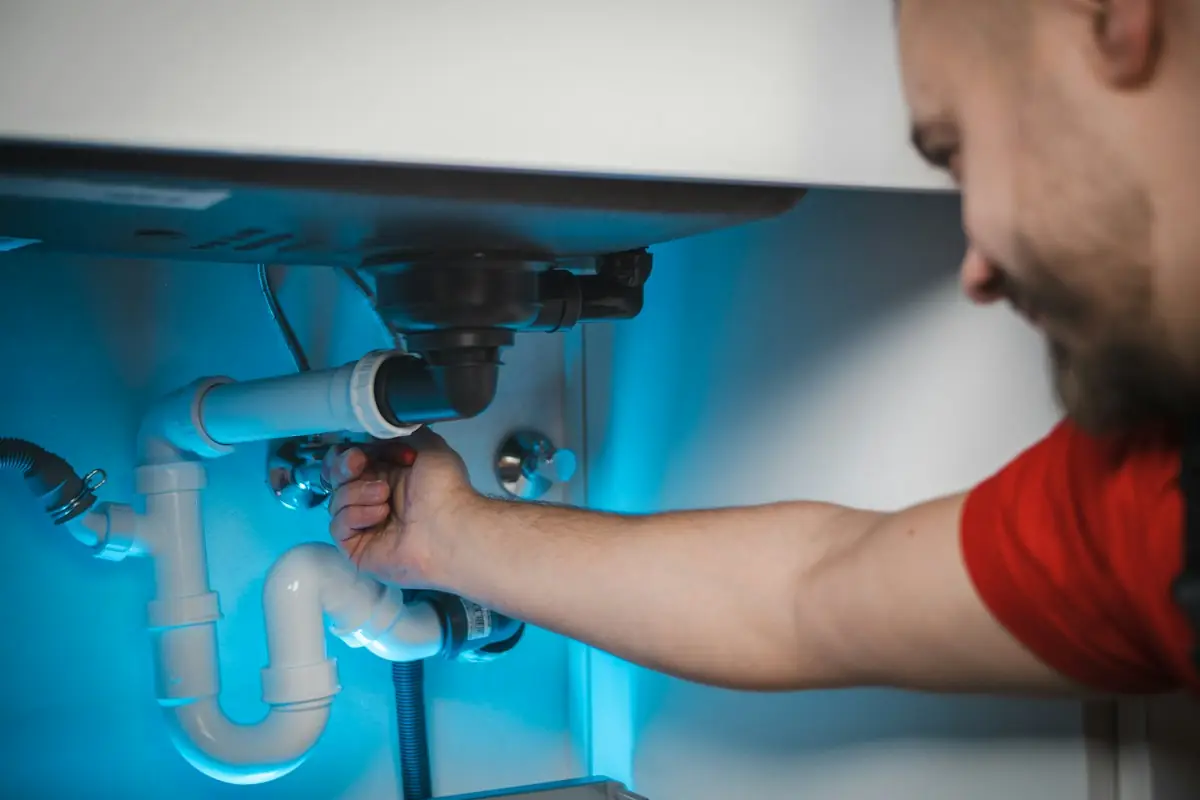
Why professional drain cleaning is worth it
Store-bought tools reach a few feet into a drain. Professional machines reach the main line and clear the full diameter of the pipe rather than poking a small hole through the middle of a clog. That matters, because a partially cleared line tends to re-clog quickly.
A plumber can also spot what you can’t: a failing trap, an improperly vented line that drains slowly no matter how clean it is, or early root intrusion that will turn into a full sewer backup next winter. Catching that early is usually far cheaper than an emergency call.
Drain issues common in Salem
Salem gets about 40 inches of rain a year, most of it between October and March — November through January are usually the wettest months — and that’s when many Salem homeowners notice slow main lines. Saturated soil and the mature trees common in older neighborhoods put pressure on older clay and concrete sewer laterals. Roots enter through tiny gaps at the pipe joints, catch paper and waste, and grow into a full blockage.
Homes in older neighborhoods may also still have original cast iron drains inside the house, which corrode and roughen over decades and catch debris more easily. If your home was built before the 1970s and the main line has backed up more than once, ask about a camera inspection the next time it’s cleared. See our sewer line repair page for what happens if the camera finds damage.
Keep drains clear between service calls
- Collect cooking grease in a container for the trash — the City of Salem specifically warns that fats, oils and grease harden inside pipes and cause sewer backups. Scrape food into the trash, not the sink — and don’t rely on the garbage disposal to handle fats, rice, pasta or coffee grounds.
- Use inexpensive hair catchers in showers and tubs.
- Flush only toilet paper. “Flushable” wipes don’t break down like paper and are a common cause of main line clogs.
- If you have a known root problem, ask about a maintenance cleaning schedule before the wet season starts.
Not sure if this needs a plumber?
Describe what you’re seeing and get a straight answer.
We’d skip it. Caustic and acid drain openers can damage older metal pipes and rubber seals, often don’t reach the actual blockage, and make the job more hazardous for whoever opens the drain next. A plunger or a hand auger for a single sink is fine to try; if that doesn’t work, call.
If only one fixture is slow, the clog is probably in that branch line. If several drains back up at once — especially the lowest ones, like a basement floor drain or first-floor shower — or the toilet gurgles when the washer drains, the blockage is likely in the main line and needs a plumber with a longer machine.
Snaking (cabling) pushes a rotating cable through the line to cut an opening in the clog. Hydro jetting uses high-pressure water to scour grease, sludge and fine roots off the pipe walls. Jetting is more thorough but isn’t right for every pipe — a plumber should look at the line’s condition first, often with a camera.
Usually it’s grease and food waste building up in the line over time — pouring fats down the drain, even with hot water, is the most common cause. A disposal doesn’t prevent this. Recurring kitchen clogs can also point to a sag or undersized pipe, which a camera inspection can confirm.
A simple sink or tub clog is often cleared in under an hour once the plumber is on site. Main line clogs take longer, especially if the cleanout is hard to reach or the plumber needs to run a camera afterward. Ask for a time estimate when you book.
Related services
Other plumbing help in Salem
Sewer Line Repair
Camera inspection, root intrusion, cracked or sagging laterals, and repair or replacement options.
Learn more about sewer line repairGarbage Disposal Repair
Jammed, humming, leaking or dead disposals diagnosed, repaired or replaced.
Learn more about garbage disposal repairToilet Repair
Running, rocking, weak-flushing or leaking toilets repaired, plus replacement when repair isn't worth it.
Learn more about toilet repairHave a plumbing problem in Salem, OR?
Tell us what's going on. We'll connect you with a local plumber who can explain the problem, your options and the cost before any work begins.