
Sewer Line Repair · Salem, OR
Sewer Line Repair in Salem, OR
When the same drain backs up again and again, the problem is often the sewer line itself — roots, cracks or a sagging pipe between your house and the street. A camera inspection shows exactly what’s going on before anyone digs.
- Sewer camera inspection
- Root intrusion & blockages
- Spot repairs & full replacement
- Trenchless options where suitable
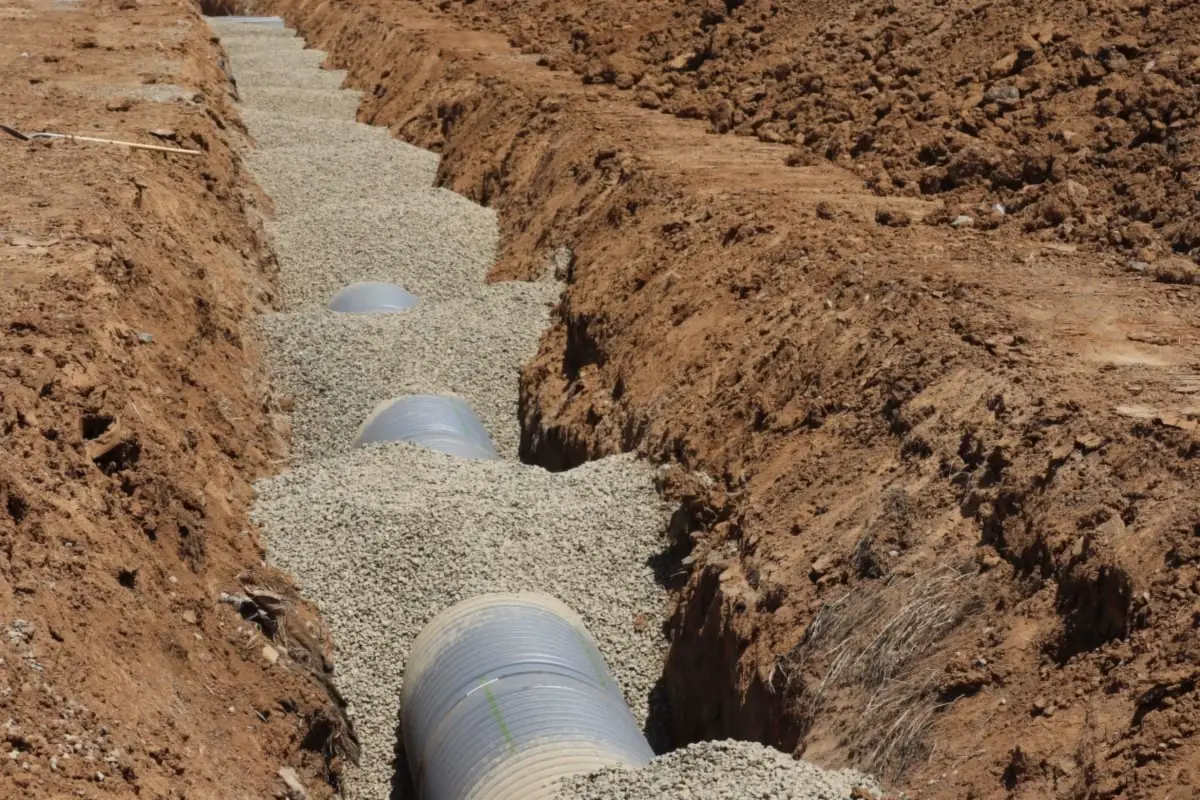
Sewer line repair for Salem properties
The sewer lateral is the pipe that carries everything that goes down your drains out of the house and to the public sewer main, usually under the street. It’s buried, out of sight, and easy to forget about — until it starts backing up. Because most of it sits underground, the most important step in any sewer repair is finding out exactly what’s wrong and where, before anyone picks up a shovel.
Warning signs of sewer line trouble
Repeated main line clogs
If the line has to be cleared every few months, something in the pipe is catching waste — usually roots or a structural defect.
Backups in the lowest drains
Water coming up a basement floor drain or first-floor shower when other fixtures run points to the main line.
Gurgling toilets
Toilets that gurgle or bubble when the washer drains or a tub empties suggest a restriction downstream.
Soggy patches or sewer odor in the yard
A wet, lush strip of lawn or a sewage smell along the line’s path can mean a break leaking into the soil.
Worse during wet weather
Drains that slow down during long rainy stretches may indicate cracks letting groundwater in, or a sag that holds water.
Pests or settling
Rodents and soil settling near the line can follow a broken pipe that’s washing soil away.
What a camera inspection shows
A sewer camera is a waterproof camera on a flexible push cable. The plumber feeds it into the line, usually through a cleanout, and records video as it travels toward the street. A locator on the camera head lets them mark on the ground where any problem sits and roughly how deep.
- Roots entering through joints, from fine hair-like strands to dense root masses.
- Cracks and breaks in clay, concrete or cast iron pipe.
- Offset or separated joints where sections have shifted.
- Bellies (sags) — low spots where water and waste collect.
- Pipe material, including older materials like Orangeburg that are prone to collapse.
- Grease buildup and scale narrowing the pipe.
Ask to see the footage, and ask for a copy. It’s your best tool for comparing quotes, and useful if you’re selling the house later.
Repair options, from simplest to largest
- Cleaning and maintenanceIf the pipe is structurally sound but roots enter at a few joints, cabling or hydro jetting on a schedule may be enough for now — though roots will return.
- Spot repairA single broken section or bad joint can be excavated and replaced, leaving the rest of the line alone.
- Pipe liningA resin-saturated liner is inserted and cured inside the old pipe, creating a new pipe within it. Requires a line that’s intact enough to hold its shape.
- Pipe burstingA new pipe is pulled through the old one while a bursting head breaks the old pipe outward. Uses small access pits at each end instead of a full trench.
- Full open-trench replacementSometimes the most reliable answer, especially for lines with severe sags or collapsed sections, or where trenchless methods won’t work.
Trenchless repair isn’t automatically the better choice. Sags, collapsed sections, changes in pipe size and tight bends can rule it out. A good plumber will explain why they’re recommending one approach over another, and what the warranty covers.
Before any digging: Oregon law requires a utility locate before excavation. Call 811 (or have your contractor request it) at least two business days before digging so gas, power and communication lines are marked. Your contractor should handle this — but it never hurts to ask.
Comparing sewer repair quotes
Sewer work is one of the larger plumbing projects a homeowner faces, so it’s reasonable to get more than one opinion. To compare quotes on equal terms, make sure each one tells you:
- Exactly which section of pipe is being repaired or replaced, and its length.
- The method (spot repair, lining, bursting or open trench) and why it was chosen.
- The pipe material being installed.
- Whether permits, utility locates, restoration of the lawn, driveway or sidewalk, and a final camera inspection are included.
- The warranty on materials and labor.
Be cautious of any recommendation for full replacement that isn’t backed by camera footage you’ve been shown.
Who owns the sewer line?
The City of Salem’s guidance is direct: if a blockage is in the sewer service line between your house and the city’s sewer main, the property owner is responsible for correcting it; if the blockage is in the city’s main, the city fixes it. In practice, that means clearing and repairing your lateral is usually a private plumbing job. Who pays for structural repairs to the part of a lateral under the street isn’t something to assume — confirm with Salem Public Works before a repair. If the camera shows the problem is in or under the street, the city may need to be involved, and a permit is often required for work in the public right-of-way.
Sewer problems common in the Salem area
Many established Salem neighborhoods were built when clay or concrete sewer pipe was standard. Those pipes were laid in short sections joined every few feet, and over decades the joints shift and open up. Willamette Valley soils stay wet through much of the fall, winter and spring, and mature trees send roots toward that moisture — straight into the joints. The result is the classic Salem pattern: a main line that’s fine all summer and backs up after weeks of rain.
If you’re dealing with a slow line right now, start with drain cleaning and ask for a camera inspection afterward. For a broader look at problems to watch for, read common plumbing problems Salem homeowners should watch for.
Not sure if this needs a plumber?
Describe what you’re seeing and get a straight answer.
FAQ
Sewer Line Repair questions
Don’t see your question? Browse the full plumbing FAQ or call and ask.
The City of Salem’s guidance is direct: if a blockage is in the sewer service line between your house and the city’s sewer main, the property owner is responsible for correcting it; if the blockage is in the city’s main, the city fixes it. For structural repairs near or under the street, call Salem Public Works to confirm how responsibility is split before work begins.
Cabling a line clears the blockage but doesn’t show why it formed. A camera inspection shows roots, cracks, offset joints, sags and pipe material, and how far along the line each problem sits. That lets you decide between maintenance cleaning, a spot repair or replacement based on footage rather than a guess.
Orangeburg is a fiber pipe made from wood pulp and pitch that was used for sewer laterals in some homes built in the mid-1900s. Over time it softens, deforms and collapses. If a camera inspection finds Orangeburg, replacement is usually recommended rather than repair.
Sometimes. Trenchless methods such as pipe lining and pipe bursting can repair or replace a line through small access pits instead of a full trench. Whether they’re an option depends on the pipe’s condition, diameter, layout and any sags. A camera inspection is needed to say for sure.
It’s worth considering, particularly for older homes or properties with large trees near the line. Standard home inspections usually don’t include a sewer camera, and a damaged lateral is an expensive surprise after closing.
Related services
Other plumbing help in Salem
Drain Cleaning
Slow sinks, clogged tubs and backed-up main lines cleared with the right tool for the blockage.
Learn more about drain cleaningEmergency Plumbing
Burst pipes, active leaks, sewage backups and no-water situations that can't wait for a routine appointment.
Learn more about emergency plumbingLeak Detection
Finding hidden leaks behind walls, under floors and in slabs before they turn into rot or mold.
Learn more about leak detectionHave a plumbing problem in Salem, OR?
Tell us what's going on. We'll connect you with a local plumber who can explain the problem, your options and the cost before any work begins.