
Emergency Plumbing · Salem, OR
Emergency Plumber in Salem, OR
Water pouring from a ceiling, sewage coming up a drain, or no water at all — some plumbing problems can’t wait for next week. Here’s how to limit the damage in the next ten minutes, and how to get a local plumber on the way.
- Burst & frozen pipes
- Sewage & main line backups
- Leaking water heaters
- No water to the house
What to do right now
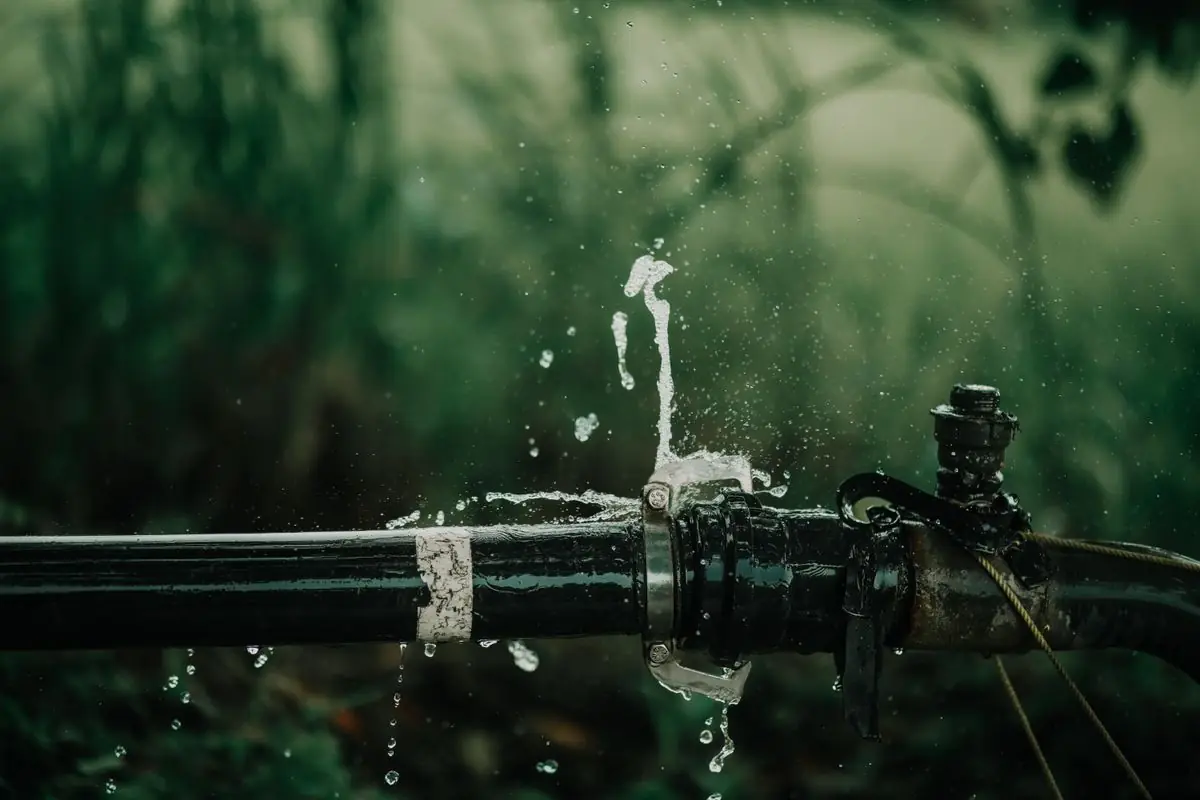
The first few minutes matter more than anything else. Most water damage comes from how long water keeps flowing, not how big the break is. Before you do anything else, stop the water.
- Shut off the water at the sourceFor a single toilet or sink, close the small valve on the supply line behind or under it (turn clockwise). For a burst pipe or anything you can’t isolate, close the main shutoff.
- Find the main shutoffIn many Salem-area homes it’s where the water line enters the house — in the crawlspace, garage, basement or near the water heater. If you can’t find it or it won’t turn, the meter box near the street usually has a shutoff, though you may need a meter key. The City of Salem also advises turning off the water heater (gas to “pilot” or the breaker for electric) before shutting off the water service.
- Turn off the water heater if it’s involvedFor a leaking tank, close the cold-water valve on top. Switch an electric heater off at the breaker; set a gas unit’s control to “pilot” or “off.”
- Protect people and powerKeep everyone away from water near outlets, power strips or the electrical panel. If water is reaching electrical equipment, turn off the power at the panel only if you can reach it without standing in water.
- Open a faucet at the lowest pointAfter the main is off, opening a low faucet or hose bib drains pressure from the lines and slows any remaining leak.
- Call, then documentCall for a plumber, then take photos and video of the damage before you start cleaning up. Your insurer will want them.
If you smell gas, leave. Get everyone outside, don’t use light switches, phones or anything that could spark inside, and call 911 or your gas utility from a safe distance. Gas emergencies are handled by the utility and responders first; a plumber repairs the piping after the area is safe.
Plumbing problems that can’t wait
Burst or split pipes
A failed supply line can release a surprising amount of water in a short time, often inside a wall or crawlspace where you don’t see it right away.
Sewage backing up
Wastewater coming up through a tub, shower or floor drain is a health hazard. Stop using all water in the house until the main line is cleared.
Leaking water heater
Water pooling under the tank — especially from the tank body itself rather than a fitting — usually means the tank is failing and can let go completely.
No water at all
Check with neighbors first; if they have water, the problem may be a broken service line, a frozen pipe or a closed valve on your side.
An overflowing toilet that won’t stop
Close the supply valve behind the toilet. If water keeps rising after that, the blockage is likely further down the line.
Water coming through a ceiling
An upstairs supply line, shower pan or drain is leaking. Shut off the main, move valuables, and keep clear of a sagging ceiling.
Water bubbling up at the street or meter box
A leak on the city side of the meter or in the street is the City of Salem’s responsibility. Call Salem Public Works dispatch at 503-588-6311, which the city lists as a 24-hour line.
About “24-hour plumber” searches
When something breaks at night, it makes sense to search for a 24-hour plumber. We want to be honest about how this works: plumbers who take after-hours calls in the Salem area have limited crews, and during a cold snap or heavy storm, many households need help at once. We don’t advertise round-the-clock service because we can’t promise it every hour of every day.
What we can do is give you a clear answer when you call (503) 555-****: whether a plumber can come now, roughly when, and what the after-hours rate looks like. If the water is off and the situation is stable, you may decide a first-thing-in-the-morning visit is the better value.
What an emergency visit usually involves
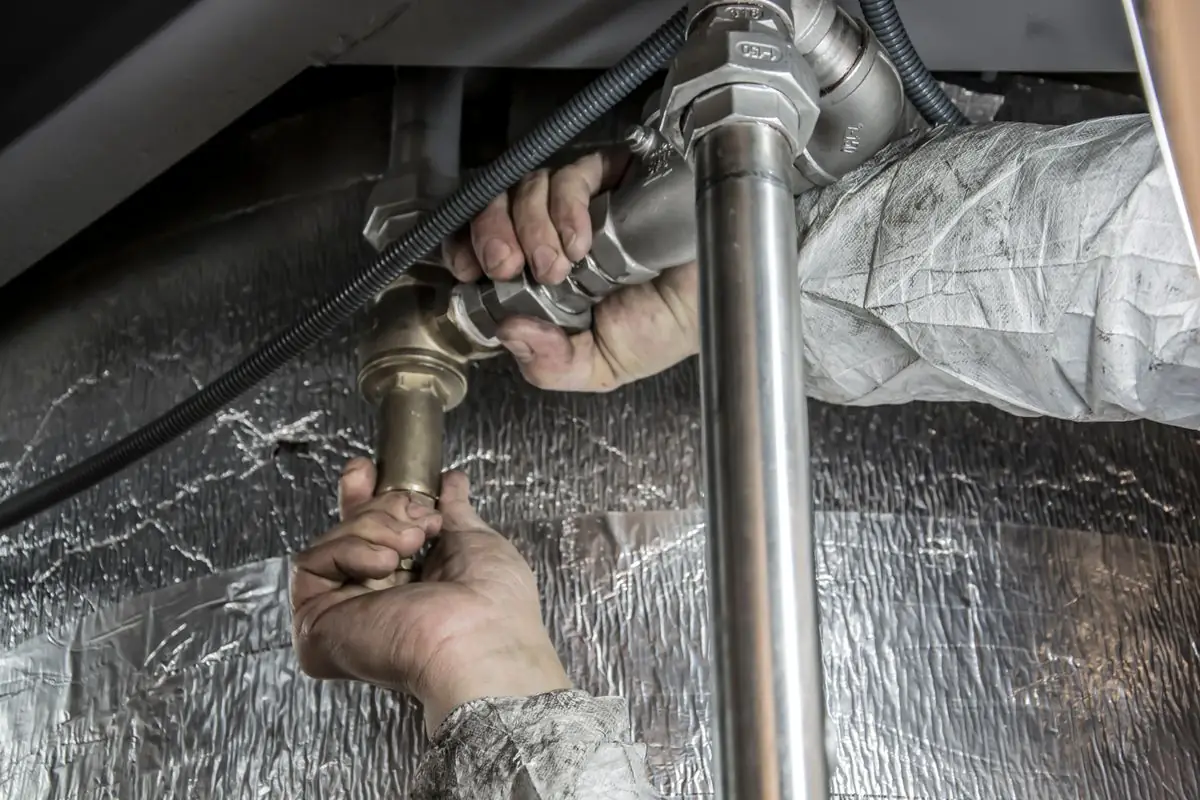
An emergency call has two goals: stop the damage, then fix the problem properly. Sometimes both happen in one visit. Other times, the plumber makes a safe temporary repair — capping a line, isolating a fixture, or bypassing a failed section — so you have water back while parts are sourced or a larger repair is scheduled.
- Confirming the water, gas or power is safely isolated.
- Locating the source — which isn’t always where the water appears.
- Explaining the options, including a temporary fix versus a permanent repair, and the price of each before starting.
- Restoring water and checking the repair under pressure.
- Noting anything you’ll need for an insurance claim, such as the cause of the failure.
Emergencies we see around Salem
Salem doesn’t freeze often, so plenty of homes have supply pipes running through uninsulated crawlspaces, garages and exterior walls. When a hard freeze or ice storm does come through the Willamette Valley, those pipes are vulnerable. Pipes often split while frozen but don’t leak until they thaw — so a burst pipe frequently shows up a day or two after the cold weather breaks. If you’ve had a freeze, check your crawlspace and garage once temperatures rise.
The rainy season brings its own emergencies. Saturated ground and root-damaged sewer laterals are a common recipe for main line backups during long stretches of wet weather. If your lowest drains gurgle or back up during heavy rain, read our sewer line repair page before it turns into a weekend emergency.
How to prevent the next emergency
- Learn where your main shutoff is today, make sure it turns, and show everyone in the house.
- Before a freeze, disconnect garden hoses, cover outdoor faucets, and close crawlspace vents if your home has them.
- Replace rubber washing machine hoses with braided stainless hoses, and check toilet and faucet supply lines for bulges or corrosion.
- Keep an eye on your water heater’s age and condition — our guide to water heater warning signs covers what to look for.
- Watch for small hidden leaks; professional leak detection is cheaper than the damage a slow leak causes.
Not sure if this needs a plumber?
Describe what you’re seeing and get a straight answer.
FAQ
Emergency Plumbing questions
Don’t see your question? Browse the full plumbing FAQ or call and ask.
Some Salem-area plumbers take after-hours calls, but availability changes with the time of day, the weather and how many emergencies are already in the queue. Rather than promise around-the-clock service we can’t guarantee, we ask you to call (503) 555-**** — you’ll get a straight answer about who can come and when.
Anything that is actively causing water damage, exposing you to sewage, or leaving the house without usable water: a burst or split pipe, a leak you can’t stop, sewage backing up into fixtures, a leaking water heater tank, or a toilet that’s overflowing and won’t stop. A dripping faucet or a single slow drain can usually wait for a regular appointment.
Not first. Leave the house right away, don’t flip switches or use anything that could spark, and call 911 or your gas utility from outside. Gas leaks are handled by the utility and emergency responders. Once the area is declared safe, a licensed plumber can repair gas piping or appliance connections.
Often, yes — many plumbers charge more for nights, weekends and holidays. Ask about the trip or after-hours fee when you call, and ask for the repair price before work begins. If the situation is stable once the water is off, you may be able to save money by scheduling the permanent repair during regular hours.
Many policies cover sudden water damage, such as a burst pipe, but not damage from long-term leaks or wear. Coverage varies, so call your insurer early. Take photos and video before cleanup, keep damaged items if you can, and save every receipt — including the plumber’s invoice describing the cause.
Your address and nearest cross street, what’s happening and where, whether you’ve shut off the water, and anything that affects access — a locked crawlspace, a pet, or a meter box you couldn’t open. If it’s a rental, tell the plumber whether you’re the owner, tenant or property manager.
Related services
Other plumbing help in Salem
Pipe Repair
Leaking joints, corroded galvanized lines, frozen or burst pipes and partial or whole-home repiping.
Learn more about pipe repairWater Heater Repair
No hot water, lukewarm showers, popping noises or a leaking tank on gas and electric units.
Learn more about water heater repairLeak Detection
Finding hidden leaks behind walls, under floors and in slabs before they turn into rot or mold.
Learn more about leak detectionHave a plumbing problem in Salem, OR?
Tell us what's going on. We'll connect you with a local plumber who can explain the problem, your options and the cost before any work begins.