
Pipe Repair · Salem, OR
Pipe Repair in Salem, OR
From a pinhole leak dripping onto the crawlspace floor to a pipe that split during a cold snap, get a local plumber to stop the leak, repair the damaged section and tell you honestly whether the rest of the system is holding up.
- Burst & frozen pipe repair
- Pinhole leaks in copper
- Galvanized & polybutylene lines
- Spot repairs or full repiping
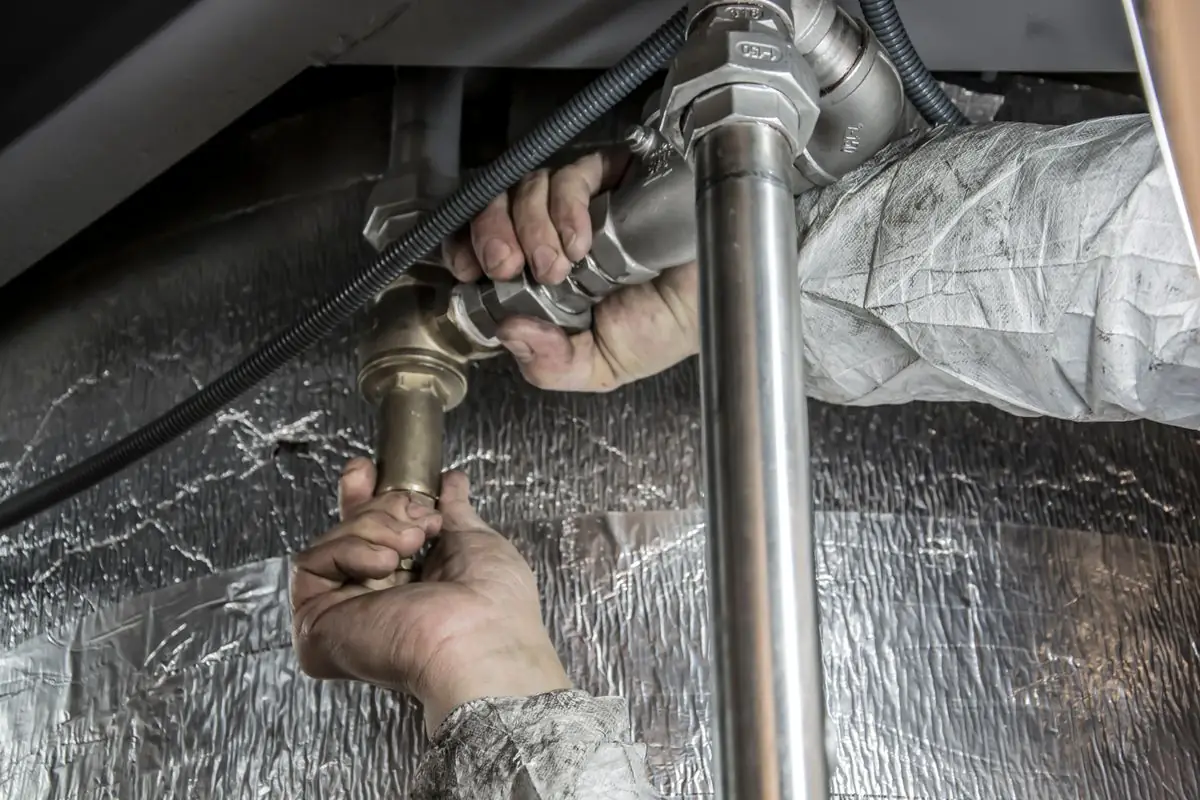
Pipe repair for Salem homes
The water lines in your house are under constant pressure every hour of the day. When one fails, it rarely announces itself politely: a drip turns into a stain on the ceiling, or a split pipe in the crawlspace runs for days before anyone notices the water bill. Pipe repair means stopping the leak, replacing the damaged section with the right material, and checking that the fix won’t just move the problem to the next weak spot.
Salem’s housing stock makes that last part important. A 1920s bungalow near downtown, a 1970s ranch in South Salem and a newer home in West Salem can have three completely different piping materials, each with its own failure pattern. A good plumber starts by figuring out what you have.
Common pipe problems by material
Galvanized steel
Common in older homes. Corrodes from the inside, narrowing the pipe until pressure drops and water turns rusty. Leaks often start at threaded joints.
Copper
Long-lasting, but can develop pinhole leaks over time, especially in hot water lines and near fittings. Green crust on joints is an early warning.
Polybutylene
Gray plastic pipe used from the late 1970s into the 1990s. Prone to sudden failure at fittings; most owners plan to replace it.
PEX
Flexible plastic used in most modern repiping. Durable and freeze-tolerant, but fittings must be crimped correctly and lines kept out of direct sunlight.
Signs a pipe needs attention
- Water stains, bubbling paint or soft drywall on ceilings and walls.
- The sound of running water when every fixture is off.
- Water pressure that has dropped gradually throughout the house.
- Brown or rusty water, especially after the tap has been off overnight.
- A water bill that jumps without any change in your household’s use.
- Damp insulation, puddles or a musty smell in the crawlspace.
- Green or white crust building up around copper fittings.
Some of these point to a leak you can’t see. If you suspect water is escaping somewhere but can’t find it, our leak detection page explains how plumbers pinpoint hidden leaks without opening up half a wall.
If a pipe bursts: what to do right now
1. Shut off the main water valve. In many Salem homes it’s where the line enters the house — in the crawlspace, garage or utility area. If you can’t find it, the city-side shutoff is in the meter box near the street, though it may require a meter key.
2. Turn off the water heater so it doesn’t heat an empty tank. 3. Open a low faucet to drain the remaining pressure. 4. Call a plumber and, if there’s significant damage, photograph it for your insurance company.
For burst pipes, sewage and other situations that can’t wait, see our emergency plumbing page.
Frozen pipes during Salem cold snaps
Salem’s winters are usually mild and wet, so many homes weren’t built with freezing in mind. Pipes run through vented crawlspaces, unheated garages and exterior walls with little or no insulation. When an ice storm or several days of below-freezing temperatures hit the valley, those are the lines that freeze. It isn’t hypothetical: during the January 2024 ice storm, burst pipes and water damage closed two Salem-Keizer elementary schools.
A frozen pipe doesn’t always burst while it’s frozen. Ice expands, pressure builds between the blockage and a closed faucet, and the pipe splits — often discovered only when it thaws and water starts pouring out. If a faucet produces no water or just a trickle during a freeze, assume a pipe is frozen. Keep the faucet open, never use an open flame to thaw it, and call a plumber if you can’t safely reach and warm the frozen section.
What pipe repair usually involves
- Locating and assessing the damageThe plumber finds the failure point and checks the surrounding pipe. A pinhole in otherwise healthy copper is a different job from a leak in pipe that’s corroded throughout.
- Isolating the waterWater is shut off to the affected area, and the lines are drained so the repair can be made properly rather than with a temporary clamp.
- Cutting out and replacing the sectionThe damaged piece is removed and replaced with new pipe and fittings. When joining different materials, such as copper to galvanized, the correct transition fittings matter to prevent new corrosion.
- Pressure testing and checking for leaksWith the water back on, the repair and nearby joints are checked under pressure.
- Recommendations, not pressureIf the rest of the system is near the end of its life, the plumber should explain that clearly and let you decide when to address it.
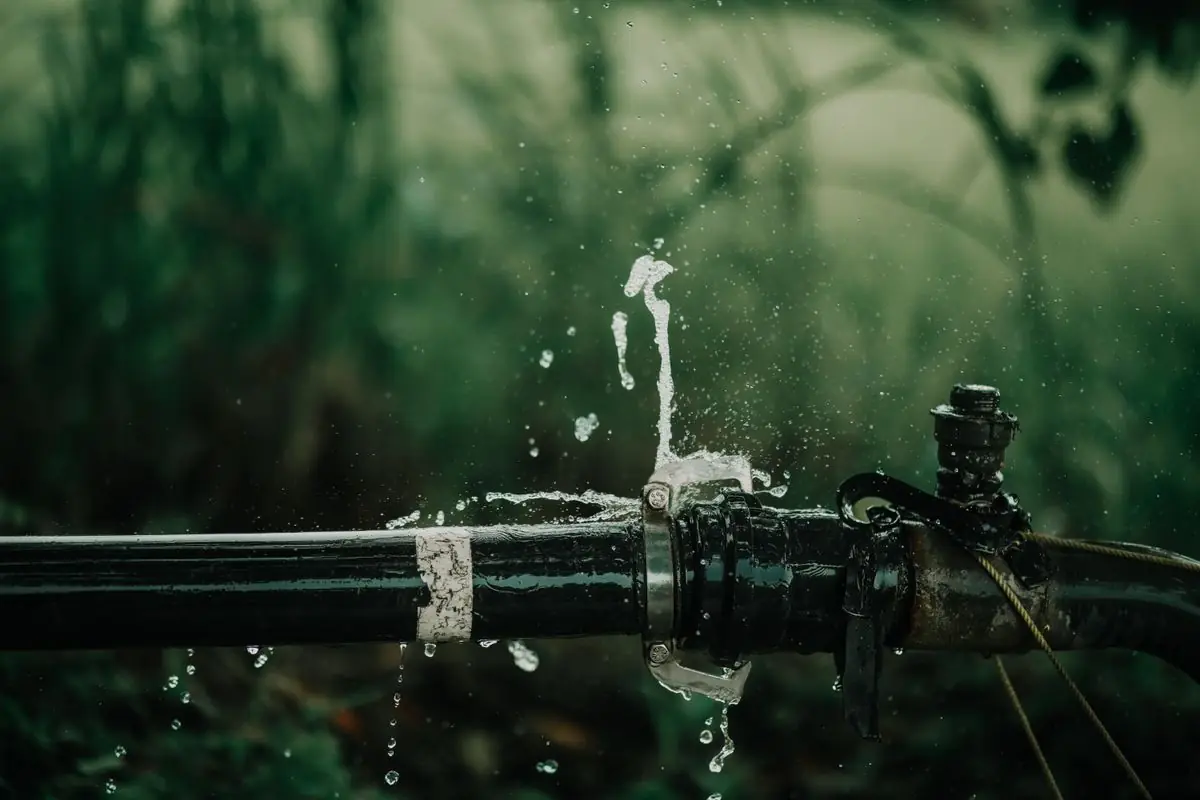
Spot repair or whole-home repipe?
Most pipe problems are solved with a targeted repair. Repiping becomes worth discussing when the same problem keeps showing up in different places. Consider asking about it if:
- You’ve had three or more leaks in different spots over a few years.
- Your home still has galvanized supply lines and pressure keeps getting worse.
- You have polybutylene pipe and want to replace it before it fails.
- You’re planning a remodel that will already open walls and floors.
Repiping doesn’t have to happen all at once. Many homeowners replace the main supply line or the most corroded runs first and finish the rest later. Ask for a written scope that breaks the work into phases so you can compare options.
Why professional pipe repair pays off
Push-fit fittings and repair clamps from the hardware store can hold a leak for a while, but a temporary fix in a crawlspace is easy to forget until it fails. A plumber makes a permanent repair, uses fittings rated for your pipe material, and spots related issues such as an unsupported line, a failing shutoff valve or water pressure that’s too high — a common cause of repeated leaks. Excess pressure also shortens the life of your water heater, faucets and appliance hoses.
For more on the problems Salem homeowners run into most often, read common plumbing problems in Salem, Oregon.
Not sure if this needs a plumber?
Describe what you’re seeing and get a straight answer.
Shut off the main water valve right away, then turn off the water heater (switch the gas control to pilot or flip the breaker for an electric unit). Open a faucet on the lowest floor to drain pressure out of the lines, move valuables away from the water, and call (503) 555-****. If water is near outlets or the electrical panel, keep clear and shut off power at the breaker only if you can do it safely.
A single pinhole can usually be fixed by cutting out the damaged section and replacing it. The more important question is why it happened. If you’ve had several pinholes in the past few years, the pipe walls may be thinning throughout, and repeated patching starts to cost more than replacing those runs.
Look where the water line enters the house or at the pipes above the water heater. Galvanized steel is dull gray, threaded at the joints, and a magnet will stick to it — copper won’t. Galvanized supply lines are mostly found in homes built before the 1960s and often cause low water pressure and rusty-looking water as they corrode inside.
Polybutylene — usually gray, flexible plastic pipe stamped “PB2110” — was used in many homes from the late 1970s into the 1990s. It has a history of failing without warning, often at the fittings. If you find it, a plumber can assess its condition, but most homeowners plan to replace it rather than wait for a leak.
Not usually. Plumbers route new lines through crawlspaces, attics and interior walls using small, targeted openings, and flexible PEX makes that easier than it used to be. You’ll typically need some drywall patching afterward. Ask the plumber to walk you through where the openings will be before work starts.
Before a freeze, disconnect garden hoses, cover outdoor faucets, close crawlspace vents, and insulate exposed pipes in the crawlspace, garage and along exterior walls. During a hard freeze, open cabinet doors on outside walls and let a faucet drip slightly. Know where your main shutoff is before you need it.
Related services
Other plumbing help in Salem
Leak Detection
Finding hidden leaks behind walls, under floors and in slabs before they turn into rot or mold.
Learn more about leak detectionEmergency Plumbing
Burst pipes, active leaks, sewage backups and no-water situations that can't wait for a routine appointment.
Learn more about emergency plumbingWater Heater Repair
No hot water, lukewarm showers, popping noises or a leaking tank on gas and electric units.
Learn more about water heater repairHave a plumbing problem in Salem, OR?
Tell us what's going on. We'll connect you with a local plumber who can explain the problem, your options and the cost before any work begins.