
Seasonal guide
Common Plumbing Problems Salem, Oregon Homeowners Should Watch For
Salem’s long, wet winters, occasional hard freezes and wide mix of housing ages create a predictable set of plumbing problems. Here’s what tends to go wrong, when it tends to happen, and what you can do before it becomes a repair bill.
8 min read West Coast Plumbing Pro editorial
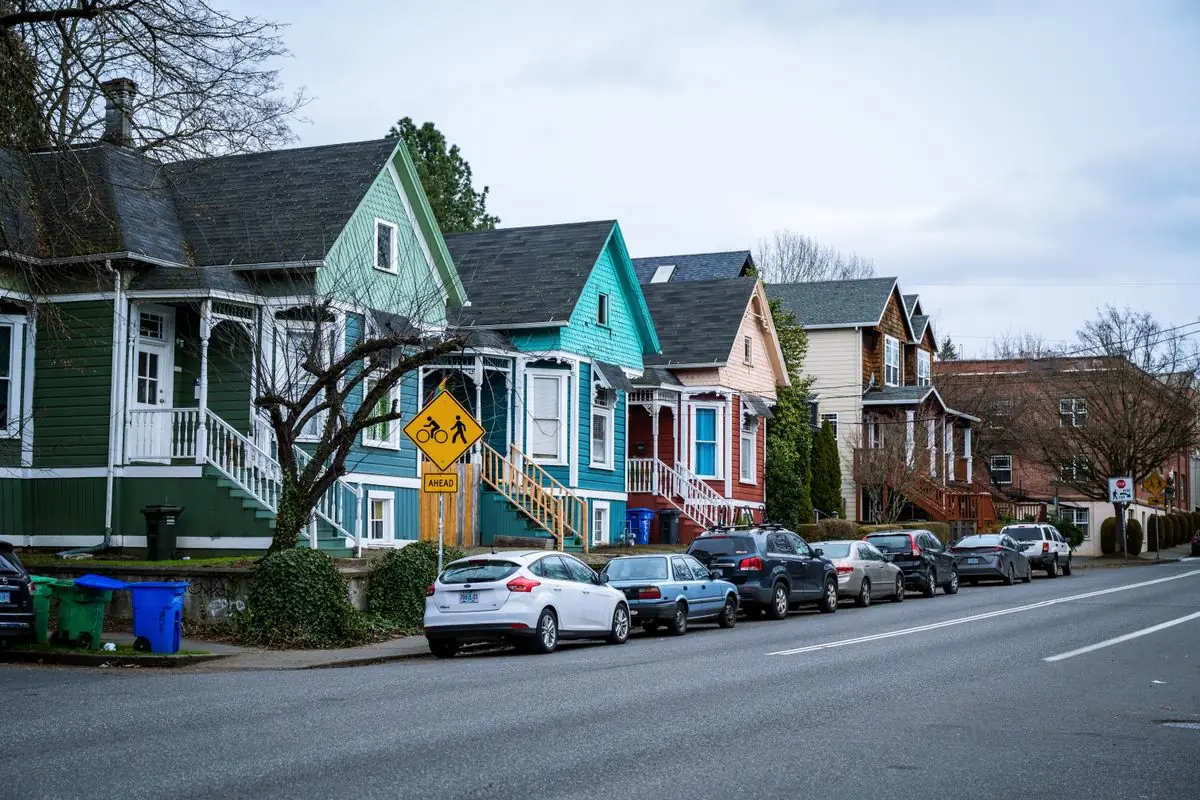
Most plumbing failures aren’t random. They follow the weather and they follow the age of the house. A 1940s bungalow near downtown and a 2015 build in South Salem will both have plumbing problems eventually, but they won’t have the same ones, and they won’t show up in the same month.
This guide breaks the common problems down two ways: by season, so you know what to check and when, and by the era your home was built, so you know which materials in your walls and yard deserve a closer look.
Fall and winter: the wet season
The Mid-Willamette Valley gets most of its rain between fall and spring. For plumbing, that long stretch of saturated ground matters more than any single storm.
Sewer lateral backups and root intrusion
Your sewer lateral is the pipe that carries everything from your house to the city sewer main. In many older Salem neighborhoods, laterals are clay or concrete pipe laid in short sections with joints every few feet. Over decades, those joints shift and open up just enough to let in moisture — and the fine feeder roots of nearby trees follow the moisture in.
Once inside, roots catch toilet paper and waste, thicken, and slowly choke the line. Homeowners often notice it first in the wet months, when the ground is saturated and the system is under more strain. Common signs:
- The lowest drain in the house — a basement floor drain or first-floor shower — backs up when the washing machine drains.
- Toilets gurgle or bubble when other fixtures run.
- Several drains slow down at the same time.
- The same main line has needed clearing before.
Clearing the line with a cable machine restores flow, but it doesn’t remove the entry point. If a main line backs up more than once, ask for a camera inspection so you can see whether it’s roots, a cracked section, an offset joint or a sag. Our sewer line repair page explains what the options look like if the camera finds damage.
Who owns the pipe? According to the City of Salem, a blockage anywhere in the sewer service line between your house and the city’s sewer main is the property owner’s to correct; the city handles blockages in its own main. For structural damage near or under the street, call Salem Public Works to confirm how responsibility is split before assuming the city will repair it.
Sump pumps and crawlspace water
Plenty of Salem homes sit over crawlspaces, and some have sump pumps to move groundwater away from the foundation. A sump pump that sits idle all summer can fail quietly and you won’t find out until the first heavy rain. Early in the fall, pour a bucket of water into the sump pit and make sure the pump kicks on, empties the pit and shuts off. Check that the discharge line is clear and drains away from the house, not back toward the foundation.
While you’re in the crawlspace, look at the supply and drain lines. Damp insulation, rust stains or white mineral crust on pipe fittings are signs of a slow leak that’s easy to miss from upstairs. A leak detection visit can pinpoint the source if you can see moisture but not where it’s coming from.
Slow drains that get worse every winter
Kitchen lines in particular tend to clog more in the cooler months. Holiday cooking sends more grease down the sink, and grease that’s liquid when it goes down hardens as it cools in the pipe. If your kitchen sink drains slowly every December, it’s not your imagination. See what to do when you have a clogged drain for safe first steps and the signs that it’s time for professional drain cleaning.
Cold snaps: the problem Salem isn’t built for
Salem winters are generally mild, and hard freezes don’t come every year. That’s exactly what makes them expensive. Homes in colder climates are designed with pipes inside the heated envelope and well-insulated crawlspaces; many Willamette Valley homes aren’t, because most winters they don’t need to be.
When an ice storm or a multi-day cold snap does arrive, the pipes most at risk are the ones in:
- Uninsulated or vented crawlspaces
- Exterior walls, especially on the north side of the house
- Garages and unheated utility rooms
- Outdoor hose bibs and irrigation backflow assemblies
Water expands as it freezes, and the pipe usually splits somewhere between the ice blockage and the closed faucet, where pressure builds. That’s why a frozen pipe often doesn’t leak until it thaws — and then it can leak a lot.
Before a freeze
- Disconnect garden hosesA connected hose traps water in the hose bib, even on “frost-free” models, which can then split inside the wall.
- Cover hose bibsInexpensive foam covers from any hardware store help on exposed faucets.
- Close crawlspace ventsIf your crawlspace has manually closable vents, close them for the cold spell and reopen them afterward.
- Open cabinet doorsLet warm room air reach sink pipes on exterior walls.
- Let a vulnerable faucet dripA slow drip on the faucet farthest from where water enters the house keeps water moving and relieves pressure.
- Find your main shutoff nowKnow where it is and make sure it turns. If you can’t find it, the water meter box near the street is the backup.
If a pipe freezes or bursts
If a faucet produces only a trickle in freezing weather, a pipe is likely frozen. Keep the faucet open and warm the suspected section gently with a hair dryer or space heater kept at a safe distance — never an open flame. If you see water spraying or pooling, shut off the main valve immediately and call for emergency plumbing help. Once the water is off, turn off the water heater as well if the house will be without water for a while, and move valuables away from the leak. Our pipe repair page covers what happens next.
Spring and summer: irrigation, hose bibs and hidden leaks
Dry summers mean sprinklers, drip systems and garden hoses get heavy use, and anything damaged over the winter shows up when you turn it all back on.
- Check hose bibs when you first use them. If water drips inside the wall or crawlspace when the outdoor faucet is open, the pipe behind it may have split during a freeze.
- Inspect the irrigation backflow device. Cracked bodies and leaking test cocks are common after a cold winter.
- Watch the water bill. A summer bill that jumps far beyond your normal watering pattern can mean an underground leak in the irrigation or main supply line.
- Do a meter test. Turn off every fixture and irrigation zone, then watch the leak indicator on your water meter. If it moves, water is going somewhere.
Summer is also the easiest time to schedule non-urgent work: replacing an aging water heater, repiping, or a sewer camera inspection before the rain returns. Plumbers are often less backed up than during a winter freeze, and you’re not making decisions with water on the floor.
Not sure if this needs a plumber?
Describe what you’re seeing and get a straight answer.
What to watch for based on your home’s age
Salem has housing from nearly every decade of the last century. The materials used in your plumbing depend largely on when the house was built or last remodeled, and each material has its own failure pattern. These are general patterns — renovations often mix materials — so treat the table as a starting point, not a diagnosis.
| Material | Where you’ll find it | What tends to go wrong |
|---|---|---|
| Galvanized steel supply pipe | Common in homes built before the 1960s | Corrodes from the inside, narrowing the pipe. Low water pressure, rusty or discolored water, and leaks at threaded joints. |
| Cast iron drain pipe | Drain and vent lines in many mid-century and older homes | Rusts and scales inside, catching debris. Cracks along the bottom of horizontal runs can leak into crawlspaces. |
| Clay or concrete sewer pipe | Sewer laterals in older neighborhoods | Joints shift and let in roots. Sections can crack, separate or sag. |
| Copper supply pipe | Widely used from mid-century onward | Generally durable. Pinhole leaks can develop over time, and older solder joints can fail. |
| Polybutylene (gray plastic) | Some homes from the late 1970s into the 1990s | Known for failures at fittings. If you have it, it’s worth having a plumber assess it. |
| PEX and PVC/ABS | Most newer homes and remodels | Resilient overall. Problems usually come from installation — kinked lines, poorly crimped fittings, or unsupported runs. |
Older homes
If your home predates the 1960s and still has original supply lines, low pressure on the upper floor or at a far bathroom is the classic galvanized symptom. Rust-tinted water after the tap has been sitting is another. Repairs to galvanized pipe tend to be short-lived because the corrosion runs the length of the line, so many owners eventually choose to repipe in stages. Older homes are also the ones most likely to have clay sewer laterals and cast iron drains, so recurring main line clogs deserve a camera, not just another snaking.
Mid-century to 1990s homes
These homes are often a patchwork: copper supply lines, original cast iron or early plastic drains, and water heaters that may be on their second or third replacement. The thing to watch here is the fittings and connectors — braided supply lines under sinks and toilets, washing machine hoses, and the water heater’s connections. These small parts are cheap and fail more often than the pipe itself.
Newer homes
Newer construction generally has PEX supply lines and plastic drains, both of which hold up well. The common problems are smaller: running toilets, dripping faucets, garbage disposal jams, and water heaters that haven’t been flushed since they were installed. Newer homes still need the same seasonal attention to hose bibs and irrigation, and a slab leak or a poorly supported line in an attic can still cause damage.
A simple yearly checklist
- Early fall: test the sump pump, check the crawlspace for moisture, and clear gutters and downspouts so they drain away from the foundation.
- Before the first freeze: disconnect hoses, cover hose bibs, and confirm your main shutoff works.
- Mid-winter: watch for slow drains and gurgling toilets that could signal a main line problem.
- Spring: restart irrigation slowly and check for leaks at backflow devices and hose bibs.
- Any time: check the age and condition of your water heater. Our guide to signs your water heater needs repair or replacement covers what to look for.
None of these steps takes more than a few minutes, and together they catch most of the problems that turn into emergency calls. When something does go wrong, it helps to know what kind of problem you’re looking at — and when it’s time to stop troubleshooting and call a plumber.
This article is general information for homeowners, not a diagnosis. Plumbing conditions vary — have a qualified plumber inspect anything involving gas, electrical connections, or sewage.